How to Determine What Affects the Durability of Clothes?

Time:2026-06-22 Author:Madeline
0%

Determining what affects the durability of clothes is crucial in the textile industry. According to a report by the Textile Research Journal, fabric quality significantly impacts lifespan. It reveals that durable fabrics not only resist wear but also retain their shape after multiple washes. Industry expert Dr. Linda Morgan emphasizes, “The choice of materials plays a vital role in how long garments last.” Understanding these material factors is essential for manufacturers and consumers alike.

The wear and tear of clothing can be unpredictable. Factors like fiber type, fabric construction, and finish treatments contribute to durability. For instance, cotton may feel soft but can wear out quickly compared to polyester blends. The care instructions provided also affect longevity. Neglecting them can lead to significant degradation over time.

Moreover, even the way clothes are worn influences durability. Frequent washing can shrink fibers, while exposure to sunlight can fade colors. It raises questions about our consumption habits. Are we investing in quality, or are we drawn to fast fashion? The exploration of what affects the durability of clothes urges a reevaluation of our choices, with long-term impacts on both wallets and the environment.
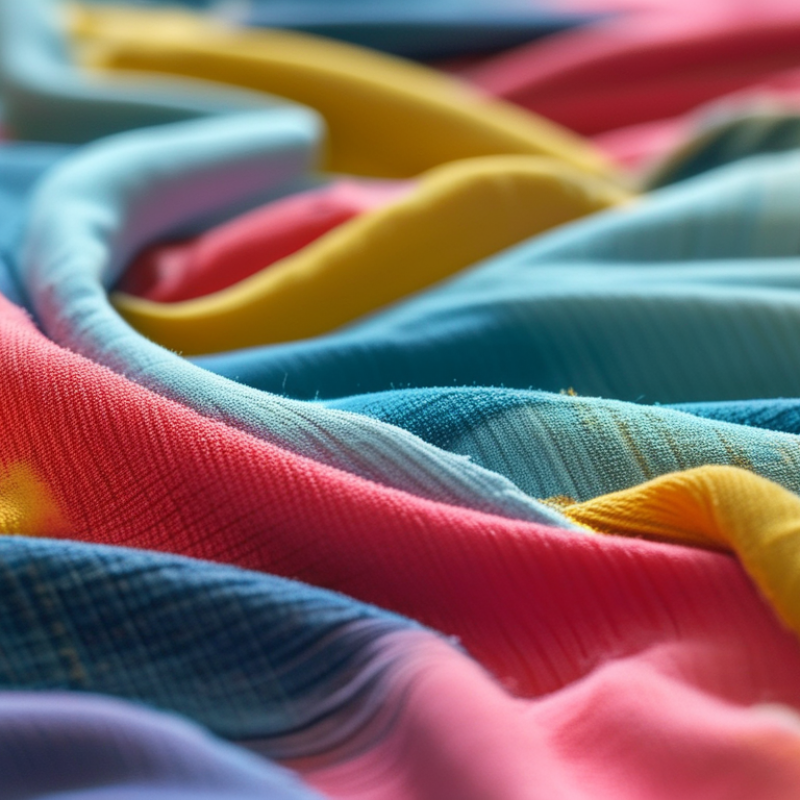
How to Determine What Affects the Durability of Clothes?

Factors Influencing the Durability of Fabrics

When considering the durability of fabrics, several factors play crucial roles. One major factor is the type of fiber used. Natural fibers like cotton and wool can offer great comfort but may not withstand heavy wear as synthetic fibers do. Understanding the balance between comfort and durability is essential for making informed choices.

Another significant aspect is the fabric's construction. Tightly woven fabrics generally resist wear and tear better than loosely woven ones. This difference can impact the lifespan of your clothing. Care techniques are also vital; proper washing and drying methods help maintain fabric integrity.

Tip: Always follow care labels for the best results.

Environmental factors, such as exposure to sunlight and humidity, can also wear down fabrics. Regularly rotating outfits can reduce the frequency of use on any single piece, extending its life.

Tip: Rotate your wardrobe to minimize wear.

Sometimes, minor flaws in fabric construction can weaken durability. Evaluating garments before purchase can reveal potential issues. Observing these factors can lead to better choices and longer-lasting clothes.

Impact of Fabric Types on Clothing Longevity

The type of fabric significantly impacts clothing longevity. Natural fibers like cotton and wool tend to be more durable than synthetic options. A report by the Textile Research Journal highlights that cotton can withstand 50% more abrasion than polyester. This means clothes made from cotton can endure significant wear and tear over time.

Certain fabrics resist fading and stretching better than others. For instance, nylon fares well against fraying and is ideal for active wear. Research from the Fashion Institute of Technology indicates that garments made from blends of cotton and polyester maintain shape and color longer. Conversely, delicate fabrics like silk may require excessive care.

Considering the fabric type is crucial for long-term investment. Using data from the Sustainable Apparel Coalition, it's clear that choosing durable materials not only saves money but also reduces waste. However, the sustainability of a fabric doesn’t guarantee durability. An increasing number of reports suggest consumers often overlook this, leading to quickly discarded garments.

Impact of Fabric Types on Clothing Longevity

Effects of Washing and Care Practices on Clothes Durability

Washing and care practices significantly affect the durability of clothes. According to a study by The International Textile and Apparel Association, improper washing methods can reduce fabric lifespan by up to 30%. Washing at high temperatures can weaken fibers over time. Many laundry detergents contain harsh chemicals. These chemicals can break down the structure of fabrics.

The choice between tumble drying and air drying also matters. Tumble drying can lead to shrinkage and fading. Research suggests that air drying preserves the integrity of garments. It is advised to wash clothes in cold water whenever possible. Cold water retains color and shape better. A study by the Consumer Product Safety Commission indicates that delicate washing settings can maintain the life of clothing.

Ironing and storage methods can also play crucial roles. High heat from ironing can damage synthetic fibers, leading to premature wear. Proper storage is essential; using padded hangers can avoid stretching. Consider that folding instead of hanging reduces stress on fabric. Small adjustments in care practices can lead to longer-lasting garments. It is crucial to reflect on these habits. The choices we make impact how clothes age.

Role of Environmental Conditions in Fabric Wear and Tear

Environmental conditions play a crucial role in fabric wear and tear. Factors like humidity, temperature, and exposure to sunlight can significantly impact the durability of clothing. According to a report from the American Society for Testing and Materials, garments exposed to high UV radiation may fade and weaken by as much as 25% over time.

Moisture can lead to mold and mildew, affecting natural fibers more than synthetic ones. A study indicated that textiles in humid environments are prone to faster degradation, as moisture encourages bacterial growth. This can ultimately reduce a garment's lifespan. Notably, a lack of proper storage can exacerbate these issues, as items crammed in closets may experience abrasion.

Tips for maintaining durability include storing clothes in a cool, dry place. Use breathable garment bags to minimize moisture exposure. Washing clothes in cold water and avoiding high heat drying can significantly prevent fiber damage. Rotate your wardrobe regularly. This ensures that no single garment endures prolonged stress and potential wear. Also, avoid hanging heavy items, which may lead to distortion over time.

Understanding Stitching and Construction Techniques for Durability

Stitching and construction techniques play a crucial role in the durability of clothes. According to the Textile Research Journal, garments with reinforced seams and high stitch counts exhibit greater resistance to wear and tear. A study by the International Journal of Clothing Science also highlights that double-stitched seams often last longer than single-stitched variants. Quality stitching reduces fraying and increases longevity, making it essential for manufacturers to prioritize these techniques.

When it comes to construction, the type of fabric used is equally significant. Fabrics blended with polyester tend to show lower rates of fading and shrinkage. However, for environmentally conscious consumers, cotton remains a popular choice. Cotton fibers, while breathable, may wear faster if improperly stitched. Therefore, careful consideration of the fabric and stitching type is vital for garment durability.

Tip: Look for clothes with flat-lock seams if you want comfort along with durability. These seams reduce bulk and have a lower chance of tearing.

Tip: Pay attention to the fabric weight. Heavier fabrics often last longer. Lightweight materials may feel comfortable but can be prone to damage.

Choosing wisely based on these factors can greatly impact the longevity of your wardrobe. Being informed leads to more sustainable fashion choices.

FAQS

: What fabric types last longer?

: Natural fibers like cotton and wool tend to be more durable than synthetic options.

How does fabric composition affect wear?

Cotton can endure 50% more abrasion than polyester, making it more resistant to damage.

Which fabrics resist fading better?

Nylon resists fraying and is great for active wear, while cotton-polyester blends maintain shape and color.

What stitching techniques improve clothing durability?

Reinforced seams and high stitch counts enhance garment resistance to wear and tear.

Are double-stitched seams more durable?

Yes, double-stitched seams often last longer than single-stitched ones, reducing fraying.

How does fabric weight impact longevity?

Heavier fabrics usually last longer, while lightweight materials may be more prone to damage.

Should I prioritize sustainability over durability?

Not always. Sustainable fabrics do not guarantee durability, leading to quick disposal.

What care do delicate fabrics require?

Delicate fabrics like silk need excessive care to maintain their longevity.

Can stitching flaws impact fabric performance?

Yes, improperly stitched cotton can wear faster, impacting durability.

How can I make better clothing choices?

Choosing durable materials and quality stitching leads to more sustainable fashion choices.

Conclusion

The article "How to Determine What Affects the Durability of Clothes?" explores various factors that significantly influence the longevity of fabrics. Key elements such as fabric types play a crucial role, with different materials exhibiting varying levels of wear resistance. Additionally, the article highlights how washing and care practices can impact durability; improper washing can lead to premature deterioration.

Environmental conditions also contribute to fabric wear and tear, with exposure to moisture, sunlight, and pollutants causing damage over time. Finally, understanding stitching and construction techniques reveals that well-constructed garments are more durable. In summary, assessing these aspects helps answer the question of what affects the durability of clothes, guiding consumers in making informed choices for their wardrobe.

Madeline

Madeline

Madeline is a dedicated marketing professional with a wealth of expertise in our company's core offerings. With a keen understanding of the industry, she brings a unique perspective to her role, consistently delivering high-quality content that highlights the superior aspects of our products. As......