7 Best Ways to Make an Outfit Look Elegant?

Time:2026-10-08 Author:Charlotte
0%

What makes an outfit look elegant is rarely its price or brand label. It is usually the quiet relationship between fit, fabric, proportion, color, and care. A jacket with clean shoulder lines, trousers that break lightly above polished shoes, and a steamed shirt can look more refined than a visibly expensive outfit worn carelessly. Elegance often begins with restraint.

Industry research supports this practical view. The Business of Fashion and McKinsey’s State of Fashion 2025 report describes increasingly value-conscious fashion consumers who expect stronger quality and clearer value from purchases. The 2024 ThredUp Resale Report projects the global secondhand apparel market will reach 350 billion dollars by 2028. That forecast suggests a growing interest in clothing that lasts, photographs well, and remains useful beyond one season. These findings matter because durable fabrics, thoughtful tailoring, and versatile colors support both appearance and responsible buying.

Still, no checklist guarantees elegance. A perfectly fitted blazer may feel wrong if it restricts movement. A minimalist outfit can look unfinished without texture or contrast. Personal comfort also changes how clothing sits on the body and how confidently it is worn. This guide explores seven practical ways to make an outfit look elegant, from improving proportions to choosing refined accessories. Expect useful details, not rigid rules. Look closely at the sleeve length, the weight of the fabric, and the condition of the shoes. Small adjustments can speak loudly. Sometimes, less is enough.
7 Best Ways to Make an Outfit Look Elegant?

Define an Elegant Outfit Through Fit, Balance, and Simplicity

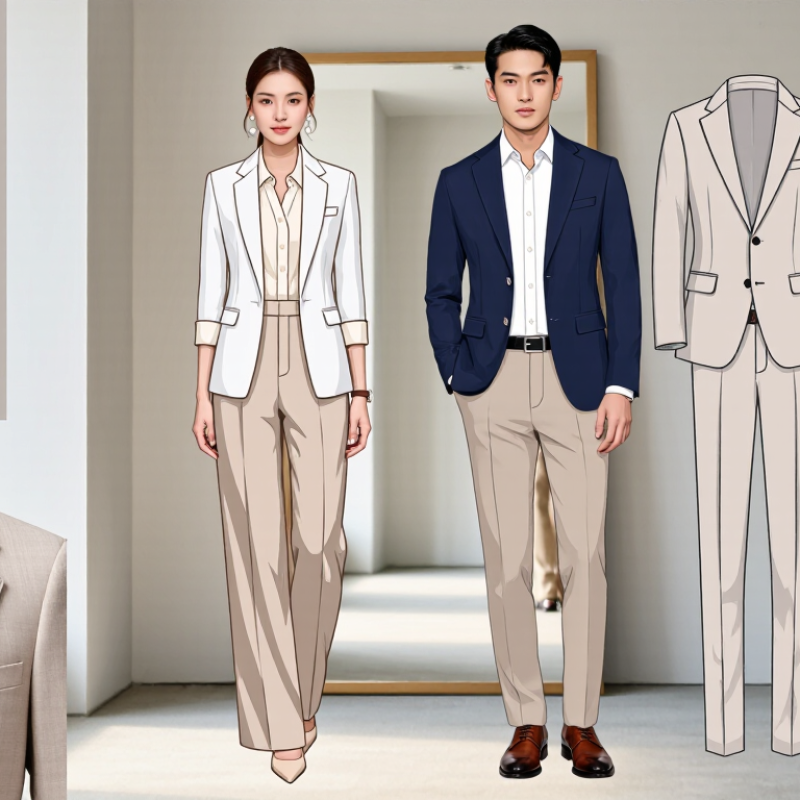
An elegant outfit begins with fit, not price. Shoulders should sit naturally, sleeves should reveal a little wrist, and trousers should skim the shoe. Clothes that pull across the chest or bunch at the waist weaken the whole look. A skilled tailor can improve ordinary pieces, although alterations should preserve comfortable movement. Try sitting, walking, and reaching before deciding.

Balance creates quiet confidence. Pair a relaxed shirt with cleaner trousers, or match a fuller skirt with a more fitted top. Keep the color palette controlled, using one gentle contrast instead of several loud ones. Texture adds depth: smooth cotton beside soft knitwear feels considered. Simple shoes, a structured bag, and one deliberate accessory often complete the outfit. Clean grooming matters too. I sometimes add too much, then remove one piece and notice the difference.

Tips: Check the outfit in natural light. Look at the back, not only the mirror front. Choose fabrics that hold their shape without feeling stiff. Press visible creases, clean your shoes, and keep accessories proportional to your frame. If an outfit feels elegant but slightly boring, that may be its strength. Still, personal style should not disappear. One unusual detail can make simplicity feel intentional.

Choose Refined Colors, Quality Fabrics, and Coordinated Textures

7 Best Ways to Make an Outfit Look Elegant?

Choose Refined Colors, Quality Fabrics, and Coordinated Textures

Elegance rarely begins with a dramatic garment. It starts with control: a quiet palette, clean fit, and fabrics that hold their shape. I often build an outfit around two refined colors, such as ivory and charcoal, then add one softer shade. Navy, stone, olive, and deep brown also feel polished without looking forced. Keep the contrast intentional. A bright shoe can disturb an otherwise calm outfit. I still err. Quality fabric deserves close attention. Check its surface in daylight. Wool should look even, cotton should feel firm, and linen may show natural slubs without appearing careless. A fabric that pills quickly can weaken the whole impression. Read the care label, too. Fit remains essential. Even beautiful cloth looks ordinary when shoulders collapse or sleeves cover the hands.

Coordinated textures create depth without noise. Pair a smooth knit with brushed trousers, or crisp cotton with soft suede-like material. Avoid matching every texture. That looks staged. Instead, repeat one tactile quality in a smaller detail, such as a matte belt beside a textured jacket. Keep accessories restrained. One structured bag, a simple watch, or clean leather shoes can sharpen the outfit. Before leaving, inspect the clothing from several angles. Sit down, lift your arms, and check whether seams pull. This practical test catches problems a mirror may hide. Steam delicate pieces carefully, remove loose threads, and replace tired buttons. I sometimes over-coordinate colors, and the result feels flat. Leaving one element slightly unexpected often makes the outfit more personal.

7 Refined Color Pairings for a More Elegant Outfit

Contrast ratios are calculated from each color pair using the WCAG 2 relative-luminance formula. Balanced contrast helps separate garments while keeping the overall look polished.

Pair deep neutrals with soft light tones for a refined foundation, then add quality fabrics and coordinated textures to create visual depth without excessive contrast.

Build a Polished Look with Structured Silhouettes and Smart Layering

An elegant outfit often begins with structure, not decoration. Choose one strong shape, such as a tailored jacket, straight-leg trousers, or a firm midi skirt. Clean shoulders and a defined waist create visual order. I prefer fabrics that hold their form, including wool blends, cotton poplin, and medium-weight linen. Very soft materials can look careless when layered badly.

Keep the base simple. A fitted knit under a crisp shirt gives depth without bulk. Leave the shirt cuff visible beneath the jacket sleeve. This small detail makes the outfit feel considered. Try a long vest over a narrow dress, or a short jacket over high-waisted trousers. The contrast in lengths adds polish. Avoid stacking too many loose pieces. I have made that mistake, and the silhouette quickly lost its shape.

Color also supports structure. Build around two quiet shades, then add one controlled contrast. A cream shirt, charcoal trousers, and dark brown shoes feel balanced. Match the visual weight of your accessories to the clothing. Slim layers suit delicate jewelry, while a structured coat can handle a larger bag. Check the outfit from the side. It may look elegant from the front but bunch at the back. Adjust the hem, sleeve, or belt before leaving home. Small tailoring changes often matter more than expensive details.

7 Best Ways to Make an Outfit Look Elegant? - Build a Polished Look with Structured Silhouettes and Smart Layering

No. Elegant Styling Method Why It Works How to Apply It Useful Garment Types Polish Level
1 Choose Structured Silhouettes Clean shoulder lines, defined waistlines, and controlled volume create visual order and make an outfit look intentional. Select garments that hold their shape without restricting movement. Balance a relaxed lower half with a more defined top, or pair wide-leg trousers with a fitted jacket. Tailored blazer, straight-leg trousers, A-line skirt, fitted coat, structured dress High impact
2 Build a Refined Color Palette Using a small group of coordinated colors reduces visual clutter and helps individual pieces appear more cohesive. Start with one neutral base, add a second related neutral, and use one controlled accent color. Low-contrast combinations often look understated, while one darker accent adds definition. Black, navy, cream, gray, camel, white, muted green, burgundy Easy upgrade
3 Use Smart Layering Layering adds depth and function while allowing the outfit to maintain a deliberate, balanced shape. Keep the thinnest layer closest to the body and place heavier fabrics on top. Vary lengths slightly, but avoid too many competing hems or bulky layers. Silk-like blouse, fine-knit sweater, waistcoat, blazer, long coat, lightweight scarf Versatile
4 Prioritize Precise Fit Clothing that follows the body without pulling, sagging, or excessive excess fabric gives a cleaner and more polished appearance. Check shoulder seams, sleeve length, trouser break, and waistband comfort. Alter hems or waistlines when a garment is nearly right but not quite balanced. Blazers, trousers, shirts, skirts, dresses, coats Essential
5 Mix Textures with Restraint Subtle contrast between smooth, matte, ribbed, woven, or softly draped fabrics creates richness without relying on bold decoration. Combine two or three noticeably different textures while keeping the color palette consistent. Pair a matte tailored piece with a soft knit or a lightly lustrous accent. Wool, cotton poplin, fine knit, suede-like texture, satin-like fabric, leather-like accessories Sophisticated
6 Select Minimal, Proportional Accessories Accessories complete the outfit by reinforcing scale, color, and structure rather than competing with the clothing. Choose one focal accessory and keep the remaining pieces simple. Match accessory scale to the outfit: larger silhouettes can support structured bags or bold belts, while delicate outfits benefit from finer details. Leather-like belt, simple watch, geometric earrings, structured handbag, understated loafers Finishing touch
7 Maintain Impeccable Garment Care Clean, pressed, intact clothing looks more intentional, regardless of price or complexity. Remove lint, repair loose buttons, press visible creases, clean footwear, and follow care labels. Store structured garments on suitable hangers to preserve their shape. Steamer, lint roller, garment brush, shoe cloth, suitable hangers, basic repair kit Immediate result

Elevate Everyday Clothing with Thoughtful Accessories and Grooming

7 Best Ways to Make an Outfit Look Elegant?

Elevate Everyday Clothing with Thoughtful Accessories and Grooming

Elegance often begins with care, not expensive clothing. A clean collar, polished shoes, and neatly pressed fabric immediately improve an everyday outfit. Choose one refined accessory, such as a slim watch, a structured belt, or small metal earrings. Too many details can compete for attention. I have made that mistake. Now, I remove one item before leaving home.

Grooming also changes how clothing appears. Keep hair controlled, nails clean, and skin comfortably moisturized. A subtle, fresh scent should remain close to the body, not fill the room. Match accessories with intention. Warm-toned metals can soften neutral clothing, while cool-toned metals may sharpen it. Fit still matters most. Even beautiful details look careless when sleeves are too long or trousers bunch at the ankle.

Tips: Check your outfit in natural light. Smooth visible creases. Carry a small cloth for unexpected marks. Keep colors simple, but add texture through leather, knitwear, or brushed fabric. If the look feels unfinished, try changing the shoes before adding another accessory. Pause at the door. Is it elegant, or merely decorated?

Finish the Outfit by Checking Proportion, Detail, and Overall Harmony

7 Best Ways to Make an Outfit Look Elegant?

Elegance begins with proportion, not price. Check the visual weight of every piece. Pair a loose shirt with straighter trousers, or balance wide-leg pants with a closer top. Keep hemlines intentional. A sleeve ending at the wrist often looks sharper than one covering the hand. My own mistake was ignoring shoulder width; the outfit felt heavy, despite good fabric.

Use a restrained color story, clean lines, and one noticeable detail. Similar tones create continuity, while a controlled contrast gives the eye a resting point. Choose polished shoes, a structured bag, or simple metal jewelry, but avoid competing accents. Texture also matters: matte cotton beside smooth leather can add depth without noise. McKinsey’s The State of Fashion 2024 reports that shoppers remain increasingly value-conscious, which supports investing in versatile pieces and careful styling rather than constant replacement.

Before leaving, inspect the outfit from a distance and in natural light. Check loose threads, wrinkled areas, visible underwear lines, and uneven cuffs. Then take a quick mirror photo; proportions often look different on a screen. ThredUp’s 2024 Resale Report projects the global secondhand apparel market will reach 350 billion dollars by 2028, reinforcing the value of refining existing clothes. Still, rules can mislead. A slightly imperfect tuck or unexpected texture may feel more personal than perfect coordination. Try it, then question it.

FAQS

Which colors make an outfit look elegant?

Choose two quiet colors, such as ivory and charcoal. Add one softer shade, like olive or deep brown. Keep contrast intentional. Bright shoes can disrupt a calm outfit.

How can I recognize quality fabric?

Inspect the fabric in daylight. Wool should look even, cotton should feel firm, and linen may show natural slubs. Check the care label. Fabric that pills quickly can weaken the entire look.

Why does fit matter so much?

Good fabric still looks ordinary when the shoulders collapse. Check sleeve length, trouser hems, and the waistline. Move around. Lift your arms and sit down. Seams should not pull.

How can textures add elegance without looking excessive?

Combine different surfaces, such as a smooth knit with brushed trousers. Repeat one texture in a small detail. Matching every texture can look staged. I sometimes over-coordinate, and the outfit becomes flat.

Which clothing shapes create a polished silhouette?

Choose one strong shape, such as a tailored jacket or straight-leg trousers. Defined shoulders and a clear waist create order. Avoid stacking many loose pieces. I have tried this, and the shape quickly disappeared.

What layering techniques keep an outfit elegant?

Wear a fitted knit under a crisp shirt. Let the shirt cuff show slightly beneath the jacket sleeve. You can also pair a long vest with a narrow dress. Keep the layers controlled.

How many accessories should I wear?

Start with one refined accessory, such as a structured belt or simple watch. Match its visual weight to your clothing. A larger coat can support a larger bag. Too many details compete.

How does grooming improve an everyday outfit?

Clean collars, polished shoes, controlled hair, and neat nails make clothing appear more considered. Use a subtle scent. Keep it close. A heavy scent can dominate the room.

What should I check before leaving home?

Inspect the outfit in natural light and from several angles. Sit down and lift your arms. Steam delicate fabric, remove loose threads, and check tired buttons. Pause at the door. Is it elegant, or merely decorated?

Conclusion

What makes an outfit look elegant is not excess, but the thoughtful combination of fit, balance, and simplicity. Well-fitted clothing creates a clean foundation, while refined colors, quality-looking fabrics, and coordinated textures make the appearance feel polished. Neutral or softly contrasting shades often support an elegant impression, especially when the materials and patterns work naturally together. Structured silhouettes can add definition, and smart layering brings depth without making the outfit feel crowded.

Everyday clothing can also look sophisticated when finished with carefully chosen accessories and well-maintained grooming. A simple watch, subtle jewelry, a refined belt, or a neat bag can add intention without overwhelming the overall look. Before stepping out, check the proportions, remove unnecessary details, and make sure each piece supports the same visual mood. Elegance comes from harmony: every element should fit comfortably, complement the others, and appear deliberate rather than forced.

Charlotte

Charlotte

Charlotte is a seasoned marketing professional with a deep understanding of the company's portfolio and a passion for elevating its presence in the market. With a keen eye for detail and a commitment to excellence, she ensures that our professional blog is regularly updated with insightful articles......