Why and How to Look Stylish With Simple Clothes?

Time:2026-09-18 Author:Mason
0%

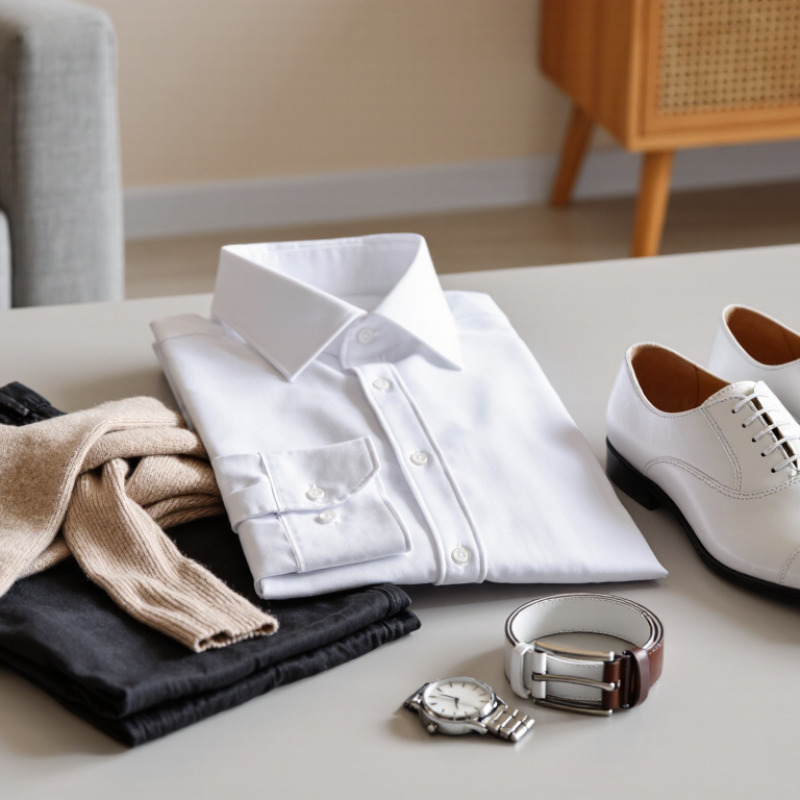
How to look stylish with simple clothes is not about owning more. It is about making ordinary pieces appear intentional. A white cotton shirt, straight-leg trousers, and clean leather shoes can create a strong foundation. Fit, fabric, proportion, and condition often matter more than visible logos. Still, this approach is not effortless. A slightly long sleeve or tired collar can weaken the entire outfit.

Industry data supports a more thoughtful wardrobe. The 2024 ThredUp Resale Report projects the global secondhand apparel market will reach 350 billion dollars by 2028. That growth reflects changing attitudes toward value, longevity, and repeated wear. WRAP’s Textiles 2030 research also reports that extending a garment’s active life by nine months can reduce its carbon, water, and waste footprints by 20 to 30 percent. Simple styling can therefore support practical consumption, though clothing choices alone cannot solve fashion’s environmental problems.

Fashion expert and Project Runway mentor Tim Gunn offers a useful principle: “Make it work.” Apply it before shopping again. Try a front tuck, roll a cuff once, or add one structured layer. Notice how black trousers change beside a soft knit instead of another black item. Accessories help, but restraint matters. I sometimes overcomplicate outfits while searching for personality. That mistake is worth admitting. Style grows through observation, adjustment, and honest repetition. The following guide explores how to look stylish with simple clothes, using accessible pieces, reliable styling logic, and details that remain wearable beyond one season.
Why and How to Look Stylish With Simple Clothes?

What Makes Simple Clothes Look Stylish

Simple clothes look stylish when their shape, condition, and proportions work together. A plain white shirt can appear polished when its shoulders sit correctly and its fabric holds its form. Trousers should follow the body without pulling across the hips or collapsing at the ankles. Small details matter. Clean shoes, pressed sleeves, and a neat collar often create more impact than decorative patterns. I have found that neutral colors also help, but too many muted shades can make an outfit look flat. Texture adds quiet interest: cotton beside wool, or smooth fabric beside denim.

Fit is usually more important than price. Stand in natural light and check whether the garment twists, bunches, or leaves awkward gaps. A tailor can adjust a sleeve or trouser hem, but poor fabric quality may remain obvious. Keep accessories limited, perhaps a simple watch or a structured bag. Let one detail lead. Comfort must remain part of the style; tight clothing may look sharp for ten minutes, then become distracting. I sometimes choose a slightly oversized shirt and regret it when the shoulders lose definition. Personal taste needs testing, not blind rules. Wear the outfit while sitting, walking, and reaching for a door. If it still feels balanced, the simplicity is doing its work.

How to Choose Well-Fitting and Versatile Basics

Simple clothes look stylish when they fit your body and support your daily life. In my wardrobe, strong outfits begin with quiet basics: a clean cotton shirt, straight trousers, a fine knit, and simple shoes. A good fit is not tightness. Shoulder seams should sit near the shoulder edge, while trousers should skim rather than cling. Check the mirror from every angle. Sit down too. A shirt that looks polished while standing may pull across the back when you reach for a cup.

Choose colors that work together without effort. Navy, cream, charcoal, white, olive, and soft brown offer many combinations. Keep some contrast. A pale shirt under dark trousers gives the outfit shape. Versatile basics should also match your routine and climate. Breathable fabric helps in warm offices, while a medium-weight knit handles cool evenings. Read care labels carefully. Shrinkage can quietly ruin an otherwise useful piece. I once ignored this detail.

Buy fewer pieces, but test each one with clothes you already own. Try a shirt with two trousers and one jacket before keeping it. Examine stitching, transparency, pocket placement, and movement. Minor tailoring can improve hems and sleeve length. Still, not every flaw deserves repair. I sometimes keep almost-right clothes because they were inexpensive, then never wear them. That is wasted space, not savings. Now I check the shoulders, sit down, and ask whether I would wear the piece next week.

Why and How to Look Stylish With Simple Clothes?

How to Choose Well-Fitting and Versatile Basics

Wardrobe Basic Best Neutral Colors Fit Checkpoints Fabric Guidance Suitable Settings Layering Function Versatility Score
Plain T-Shirt White, black, navy, gray, cream Shoulder seam aligns with the shoulder edge; sleeves end around mid-bicep; fabric skims the torso without pulling. Combed cotton or a cotton blend; medium-weight fabric holds its shape better than very thin fabric. Casual outfits, weekend wear, travel, relaxed office settings Base layer under shirts, knitwear, overshirts, and jackets 5 / 5
Oxford-Style Shirt White, light blue, pale gray, soft stripe Collar lies flat; buttons do not strain across the chest; cuff reaches the wrist when arms are relaxed. Cotton or cotton blend with enough structure to resist excessive wrinkling. Smart casual outfits, office wear, dinners, presentations Works open over a T-shirt or underneath a sweater and jacket 5 / 5
Dark Straight-Leg Trousers Charcoal, navy, dark brown, black Waist sits securely without gaping; trousers fall cleanly from hip to ankle; no excessive stacking at the hem. Wool blend, cotton twill, or a stretch fabric with limited elastane for shape retention. Office wear, smart casual events, dinners, travel Balances fitted tops and adds structure to relaxed layers 5 / 5
Straight-Leg Jeans Dark indigo, medium blue, black, ecru Waistband stays level; seat is smooth without pulling; leg remains straight from thigh to hem. Denim with mostly cotton and a small amount of stretch for comfort and recovery. Everyday casual wear, travel, casual workplaces, social outings Pairs with both relaxed knitwear and tailored outer layers 5 / 5
Fine-Gauge Knit Sweater Oatmeal, navy, gray, burgundy, forest green Shoulder line is neat; sleeve cuffs reach the wrist; hem sits smoothly without clinging or ballooning. Wool, cotton, merino, or a blended yarn suited to the season and care routine. Office wear, smart casual outfits, cool-weather weekends Fits over shirts and under blazers, coats, or overshirts 4 / 5
Unstructured Blazer Navy, charcoal, taupe, olive Shoulders sit naturally; lapels lie flat; sleeves expose a small amount of shirt cuff; jacket closes without pulling. Wool blend, cotton, linen blend, or another breathable fabric appropriate to the climate. Business casual, dinners, interviews, semi-formal occasions Immediately adds structure to T-shirts, shirts, knitwear, and jeans 4 / 5
Lightweight Overshirt Olive, beige, navy, denim blue, gray Allows a shirt or thin sweater underneath; shoulder seams remain close to the shoulder edge; hem ends around the hip. Cotton twill, denim, linen blend, or durable lightweight canvas. Casual wear, transitional weather, travel, outdoor social events Adds texture and a third layer without the formality of a blazer 4 / 5
Minimal Leather or Canvas Sneakers White, off-white, black, gray, dark brown Heel stays secure; toes have room to move; the widest part of the foot matches the shoe’s widest point. Leather is easy to wipe clean; canvas is lightweight and breathable but more prone to staining. Casual outfits, commuting, travel, relaxed workplaces Modernizes tailored trousers and keeps formal pieces approachable 4 / 5
Simple Structured Coat Camel, navy, charcoal, black, stone Shoulders accommodate the layers worn underneath; sleeves cover the wrist; coat closes comfortably without excess fabric. Wool blend for warmth; cotton or technical blends for milder and wetter conditions. Commuting, workwear, dinners, cold-weather everyday dressing Unifies simple outfits and creates a clean outer silhouette 4 / 5
Scoring note: The versatility score is an editorial rating based on how easily each item works across seasons, dress levels, color combinations, and layering situations. Fit should always be assessed while standing, sitting, and moving naturally.

How to Build Balanced Outfits with Simple Pieces

Why and How to Look Stylish With Simple Clothes?

Simple clothes look polished when every piece has a clear role. I have learned that balance matters more than decoration. A loose cotton shirt works well with straight trousers, because the shapes feel calm together. If both pieces are oversized, the outfit can lose its structure. A half-tuck or rolled sleeve often restores definition. Small adjustments matter.

Color balance also guides the eye. Try one light, one medium, and one dark tone. Cream, charcoal, and faded blue create depth without looking busy. Texture adds interest too. A smooth shirt beside denim or a knitted layer feels more considered. Clean shoes and a structured bag can sharpen basic clothing, but comfort should remain practical. An outfit that looks good yet restricts movement is not truly successful. I still misjudge proportions sometimes.

Tips: Check the outfit in natural light. Keep one area visually quiet. Match your belt or shoes with the outfit’s overall mood, not automatically. Use a mirror from several steps away. If the clothes look flat, add texture before adding more color.

Reliable styling depends on fit, condition, and repetition. A jacket with neat shoulders can improve an ordinary shirt. Trousers should break lightly over the shoes, rather than bunching heavily. Personal details, such as folded cuffs or a simple watch, should feel intentional. They should not compete for attention. Simple dressing is not effortless; it requires editing.

How to Use Colors, Textures, and Layers Effectively

A polished outfit rarely needs complicated pieces. The real work happens through color, texture, and thoughtful layers. I usually begin with one quiet base color, such as cream, navy, or soft gray. Then I add one stronger shade for interest. A rust scarf or muted green overshirt can change the entire mood without looking loud.

Texture gives simple clothes more visual depth. Try combining smooth cotton with chunky knitwear, brushed wool, or lightly structured denim. The contrast feels intentional, especially when the colors remain controlled. Layers also create shape. A fitted shirt under a relaxed jacket looks balanced, while a long cardigan can soften sharper trousers. Keep the heaviest fabric on the outside. Otherwise, the outfit may feel bulky.

Tips: Use one main color and two supporting tones. Mix textures, not random patterns. Leave some space between layers. Check the outfit in natural light. I sometimes over-layer and regret it later.

Proportion matters as much as color. If the top is loose, slimmer trousers can provide structure. If both pieces are relaxed, show the wrists or ankles for a lighter finish. Small details help, too: rolled sleeves, a visible collar, or a clean shirt tuck. These choices require little money, but they reward careful observation. Still, simple styling is not always effortless. Some combinations look better in theory than in a mirror, and that is useful information. Adjust one element, then look again.

Why and How to Look Stylish With Simple Clothes?

How to Use Colors, Textures, and Layers Effectively

Tonal outfits look intentional when the layers have enough contrast to remain visually distinct. The chart shows calculated WCAG contrast ratios between common neutral clothing colors and white. Use stronger contrast for a clear base layer, then add texture differences such as knit, denim, or cotton to create depth without relying on bold prints. Softer contrast works well for subtle outer layers and a more relaxed look.

Data basis: contrast ratios calculated with the WCAG relative-luminance formula using the listed neutral color values against white.

How to Complete a Simple Look with Accessories and Grooming

Simple clothes can look intentional when accessories and grooming receive equal attention. A plain white shirt, straight trousers, and clean shoes create a quiet foundation. The details then shape the impression.

Choose one practical accessory with a clear purpose. A slim watch, textured belt, or structured bag can add interest without creating visual noise. Match the accessory’s tone with your shoes or belt. This small connection makes basic clothing feel coordinated. I often use one noticeable piece, then stop. Adding more usually makes my outfit look anxious rather than stylish. Texture also matters. A cotton shirt beside a leather belt creates contrast, even when the colors remain neutral. Check the fit in a mirror. A beautiful accessory cannot rescue sleeves that bunch awkwardly.

Grooming should look deliberate, not overly polished. Keep nails clean, brush stray hair into place, and care for dry skin. Facial hair needs a defined edge or an intentional natural shape. Fresh breath and lightly scented skin also affect how an outfit is remembered. Avoid excessive fragrance. It can distract from everything else. Before leaving, inspect collars, cuffs, and shoes under natural light. I sometimes miss small wrinkles when dressing quickly, so this check has become useful. It is not a perfect routine, but it prevents simple clothes from appearing careless. A rolled sleeve, neat parting, or clean pair of socks may be enough.

FAQS

What makes simple clothes look stylish?

Good fit, clean condition, balanced proportions, and thoughtful details create a polished appearance. Shape matters more than decoration. Clean shoes help.

How should a shirt fit?

Shoulder seams should sit near the shoulder edge. The fabric should not twist or pull across your back. Check it while reaching for a cup.

Are expensive clothes necessary for a stylish outfit?

No. Fit usually matters more than price. Better fabric helps, but poor proportions can make costly clothing look awkward.

Which colors work well for versatile basics?

Navy, cream, charcoal, white, olive, and soft brown combine easily. Add contrast, such as a pale shirt with dark trousers. Avoid making every piece muted.

How can texture improve simple clothing?

Combine different surfaces, such as cotton with wool or a smooth shirt with denim. Texture adds quiet interest without creating visual noise.

How can someone balance loose clothing?

Pair a loose shirt with straight trousers. If both pieces are oversized, try a half-tuck or rolled sleeves. Small adjustments restore structure.

What should people check before buying basic clothing?

Examine the shoulders, stitching, transparency, pocket placement, and movement. Sit down and reach forward. Check care labels for possible shrinkage.

How can accessories improve a simple outfit?

Use one clear detail, such as a simple watch or structured bag. Keep the rest quiet. Too many accessories compete for attention.

How can someone test whether an outfit really works?

View it in natural light and from several steps away. Walk, sit, and open a door. Comfort matters too. I still misjudge proportions sometimes.

Conclusion

How to look stylish with simple clothes starts with choosing pieces that fit well, feel comfortable, and can be worn in multiple ways. Clean lines, balanced proportions, and a thoughtful combination of basics can create a polished appearance without relying on complicated designs. Neutral colors provide a flexible foundation, while carefully selected shades can add personality and visual interest.

A successful simple outfit also depends on how colors, textures, and layers work together. Combining smooth and textured fabrics, adding a light outer layer, or creating subtle contrast can make an otherwise basic look feel more refined. Accessories should support the outfit rather than overwhelm it, while neat grooming and well-maintained clothing complete the overall impression. With attention to fit, coordination, and small details, simple clothes can look intentional, modern, and effortlessly stylish.

Mason

Mason

Mason is a seasoned marketing professional with a deep expertise in the company's offerings and a passion for driving brand awareness. With a strong background in digital marketing strategies, he has an innate ability to connect with diverse audiences and effectively communicate product benefits.......