Why Is a Size Guide Important for Online Shopping?

Time:2026-09-28 Author:Henry
0%

Buying clothes online can be convenient, but choosing a size from a product photo alone is a gamble. A shirt may look relaxed on a model and feel tight across your shoulders. One brand’s medium may also fit differently from another’s. Small differences matter.

Why is size guide important for online shopping? A clear guide gives shoppers a practical way to compare their body measurements with a retailer’s sizing information. Measuring your chest, waist, hips, or inseam with a flexible tape can help narrow the choice. Check the measurement units, too. Inches and centimeters are easy to confuse. For a closer comparison, review the product page for garment-specific measurements, fabric stretch, and fit notes. “Oversized” and “slim fit” can change how the same size feels.

A size chart cannot guarantee a perfect fit. Measurement methods vary, and fabrics may behave differently after washing or wearing. If you are between sizes, compare the garment details and the retailer’s fit advice before ordering. It may also help to measure a similar item that fits you well, then compare its dimensions with the listed product measurements. There is room for uncertainty. That is worth admitting. A reliable size guide reduces guesswork, helps shoppers make more informed choices, and may prevent avoidable exchanges. It works best as a useful reference, not a promise that every item will fit exactly as expected.
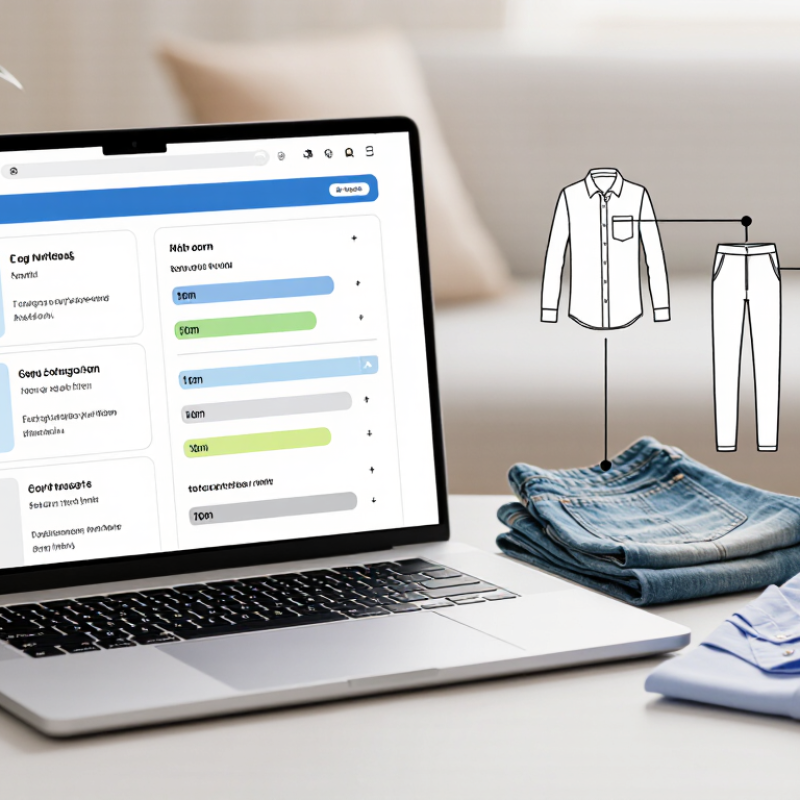
Why Is a Size Guide Important for Online Shopping?

What a Size Guide Is and What Information It Provides

A size guide explains how a seller’s measurements relate to the sizes shown on a product page. It often lists body measurements, garment measurements, or both. A clothing chart may include chest, waist, and hip measurements in inches or centimeters. Shoe guides may show foot length and explain how to measure from heel to longest toe. Check which type of measurement the chart uses; a 90-centimeter waist measurement is not the same as a garment laid flat measuring 90 centimeters around.

A useful guide also describes how a product is meant to fit, such as relaxed, close-fitting, or oversized. It may include notes about stretch, fabric, or how to measure. These details help shoppers compare the chart with their own measurements instead of relying only on labels like “medium.” Sizing can still vary between items, and charts are not perfect. A tape measure can slip, too. That small error may change the suggested size, so rechecking measurements is worthwhile.

Tips: Measure over light clothing and keep the tape level, not tight. If your measurements fall between sizes, read the fit notes and consider how you prefer clothes to sit. For shoes, measure both feet and use the longer measurement.

Why Is a Size Guide Important for Online Shopping?

What a Size Guide Is and What Information It Provides

A size guide maps body or garment measurements to sizes. It may include chest, waist, and hip measurements, units, measurement instructions, and fit notes. Comparing your measurements with the guide can help you choose a better-fitting size when shopping online. The values shown are illustrative only; sizing varies by product and retailer.

How Online Size Guides Help Shoppers Choose a Size

A size guide helps turn a letter or number into measurements you can compare with your own body. Use a soft tape measure, and keep it level rather than pulling it tight. For a shirt, check chest, shoulder, and sleeve measurements; for trousers, compare waist and inseam. A small difference can change how a garment sits. Measure over light clothing, and ask someone to help if the tape slips. Small details matter.

Read the guide’s notes, too. Some charts list body measurements, while others describe the garment itself, and those numbers are not interchangeable. If the chart recommends measuring a similar item, lay it flat and compare its width and length. Check the stated fit and fabric: stretch material may feel different from firm woven cloth. A guide is helpful, but not perfect. Measurements vary between people, and sizing can vary between cuts. If you fall between sizes, think about how you want the item to fit and whether alterations are practical. It can be tempting to trust the label alone; checking the actual measurements is usually more useful.

Why Sizing Differences Make Size Guides Necessary

A medium is not a universal measurement. One seller’s cut may be roomy through the shoulders, while another’s feels narrow across the chest. Even within one size system, patterns differ by garment type, intended fit, and production method. A cotton shirt may also sit differently from a stretchy knit, though both carry the same label. These differences can turn online shopping into guesswork.

A useful size guide gives shoppers specific measurements, such as chest, waist, hip, and inseam, with clear instructions on where to measure. It should also say whether measurements describe the body or the finished garment. That gap matters. A tape measure around your chest is not the same as measuring a shirt laid flat on a table. Small details, like a model’s height or a note that trousers run long, can help set realistic expectations. Check the guide for the exact item rather than relying on a size chosen for another product. Still, measurements cannot capture every preference: some people want extra room, and others prefer a close fit. Guides reduce uncertainty, but they are not perfect. A missed measurement can still lead to an ill-fitting parcel.

How Size Guides Improve Fit and Reduce Returns

Online shopping removes the fitting room, so a size guide becomes a practical tool for judging fit before ordering. A good guide lists body measurements and explains where to measure, such as around the fullest part of the chest or hips. A soft tape measure helps, but it should sit flat rather than pull tight. Small details matter.

Compare your measurements with the guide, then check the product notes for fabric and cut. A woven shirt with little stretch may feel different from a knit top in the same listed size. If the chart shows garment measurements, allow room for movement instead of matching each number exactly. Fit is personal. Some people prefer a close shape; others want ease through the shoulders or waist.

Clear guidance can prevent avoidable returns by helping shoppers choose with better information. It may also reveal when two sizes are close, so checking the return policy remains sensible. A chart cannot account for every body shape, posture, or preference. It is easy to treat the numbers as exact. They are not. Measure carefully, but leave room for judgment.

How to Use a Size Guide Before Placing an Order

Before placing an order, compare your measurements with the size guide for that specific item. A medium is not consistent across every cut or seller. Use a soft tape measure, keep it level, and avoid pulling it tight. For chest measurements, wrap the tape around the fullest part. For waist measurements, measure where you normally wear your waistband. Write down each number in inches or centimeters, then check which unit the guide uses.

Check the guide’s notes, too. Some charts list body measurements; others show garment measurements, which may include extra room for movement. If your numbers fall between sizes, look at the fabric and fit description. Stretchy fabric may feel different from a firm woven fabric. A close-fitting shirt and a relaxed shirt can use the same chart but sit very differently on your shoulders. Tiny details matter.

I recheck measurements when buying a new type of clothing, even if I think I know my usual size. It takes a minute. If the guide includes inseam or sleeve length, compare those figures with a garment you already own and like. Don’t rely on height or weight alone; those numbers can’t show where a garment will sit on your body. I still sometimes misread a chart, so I also review the return details before ordering. That small check can prevent an avoidable fit surprise.

FAQS

What information does a clothing size guide provide?

It may list body or garment measurements, such as chest, waist, and hips. Check which type it uses.

How should I measure my body?

Use a soft tape over light clothing. Keep it level and comfortably snug, not tight. Recheck if unsure.

Are body measurements and garment measurements the same?

No. A 90-centimeter body waist differs from a garment measuring 90 centimeters around. That distinction is easy to miss.

What should I do if my measurements fall between sizes?

Read the fit notes and consider how you want the item to sit. A relaxed fit may need more room. It is still a judgment call.

How do fabric and cut affect fit?

A woven shirt with little stretch can feel tighter than a knit top in the same size. Check the product notes.

How can I choose the right shoe size?

Measure both feet from heel to longest toe. Use the longer measurement when checking the guide.

Can a size guide guarantee a perfect fit?

No. Body shape, posture, and personal preference vary. Tape measures can slip, too. Numbers are not promises.

Why check the return policy after using a size chart?

A chart can narrow your choices, but it cannot show exactly how clothing feels when you move. I may still misjudge.

Conclusion

A size guide is a practical reference that explains how garment measurements correspond to available sizes. It may include details such as chest, waist, hip, or length measurements, along with instructions for measuring yourself. Why is size guide important for online shopping? Since shoppers cannot try on an item before buying, comparing their measurements with the guide can help them select a size with greater confidence.

Sizing can differ between products, cuts, and materials, so choosing a familiar size alone may not be enough. A size guide helps shoppers account for those differences and consider how they want an item to fit. Before placing an order, measure yourself carefully, check the product’s specific guide, and compare the figures rather than relying only on a size label. Taking these steps can lead to a more comfortable fit, a better shopping experience, and fewer returns caused by choosing the wrong size.

Henry

Henry

Henry is a dedicated marketing professional with a profound expertise in the company's offerings. With years of experience in the industry, he possesses an impressive understanding of the market dynamics and consumer behaviors that drive success. Henry is committed to sharing his insights through......