 Berrie Clothes
Chittagong-Manufactured Premium Bottoms Highlight
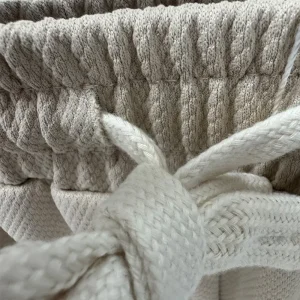
Chittagong-Manufactured Casual Knit Pants: Comfortable Sports Bottoms
View Details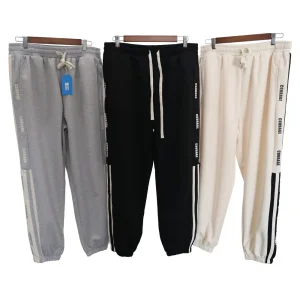
Premium Chittagong Export Leisure Sports Bottoms for Men & Women
View Details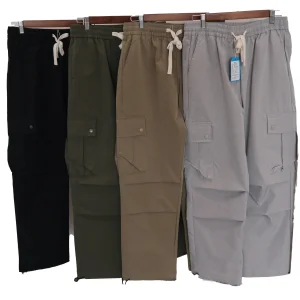
Chittagong Port Duty-Free Fashionable Leisure Bottoms with Trendy Appeal
View Details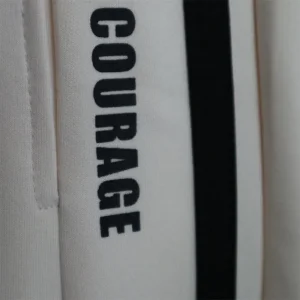
High-Density Casual Knit Pants: Custom Chittagong Leisure Wear
View Details1. Chittagong's Industrial Landscape for Women's Bottoms Manufacturing
Chittagong (Chattogram), the main seaport city of Bangladesh, handles over 90% of the nation's import and export cargo. For the global garment industry, and specifically the production of women's bottoms, Chittagong acts as a highly specialized manufacturing cluster. The presence of the Chittagong Export Processing Zone (CEPZ) and the Karnaphuli Export Processing Zone (KEPZ) has facilitated a state-of-the-art infrastructure designed to support high-volume, duty-free apparel fabrication.
Unlike other inland garment hubs, Chittagong offers direct maritime connectivity, dramatically reducing transit lead times to European, North American, and Asian markets. This geographical asset, combined with a highly trained workforce specializing in complex seam geometries, heavy-duty stitching, and elastomeric fabrics, makes the region an ideal epicenter for manufacturing items such as women's high-waisted leggings, performance shorts, skirts, and tailored denim bottoms.
Strategic Advantages of the Chittagong Apparel Cluster
Factories in Chittagong utilize advanced technologies, such as computer-aided manufacturing (CAM), continuous laying systems, and automated laser cutters. By centralizing operations near the port, global brands bypass the transport bottlenecks typically experienced between Dhaka and the ports, saving critical days in the shipping cycle. The local industrial ecosystem is highly adaptive, transitioning smoothly from high-volume basic items to high-complexity performance sportswear.
Why Choose Us (Berrie Fashion)

Expertise & Experience
Access a wealth of knowledge and skills honed over many years in the clothing manufacturing industry.

Cost-Effectiveness
Benefit from optimal pricing structures that do not compromise on the raw quality of your clothing line.

Faster Lead Times
Enjoy swift, optimized production cycles that bring your latest fashion designs to the global market quickly.

Integrated Supply Chain
Take advantage of a streamlined process, starting from raw fiber sourcing to final maritime export.

Quality Control
Ensure every single piece of clothing meets rigid international standard metrics through step-by-step inspections.

Rapid Production
Accelerated factory lines powered by modern sewing configurations to process massive bulk orders efficiently.

Customization Options
Have complete freedom to tailor raw specs, fabrics, tags, sizes, and prints to align with your design guide.

Sustainability Focus
Engage with manufacturing standards prioritizing low carbon footprints, recycled yarns, and ethical labor.
2. Technical Deep Dive: Material Engineering & Customization Routes
The manufacturing of modern women's bottoms—ranging from yoga pants and shapewear leggings to casual knit jogger styles—requires a deep understanding of textile engineering. Chittagong's advanced facilities are equipped to process poly-spandex blends, nylon-elastane structures, organic cottons, and specialized sustainable textiles like viscose, modal, and recycled PET yarns (e.g., Repreve).
Key production processes involve flatlock stitching to prevent skin chafing during active movement, high-tension elastic waistband integration, and heat-transfer label printing. Fabric weight optimization, measured in GSM (Grams per Square Meter), is calibrated to meet seasonal market demands. For example, lightweight 220 GSM fabrics are designed for high-intensity summer sportswear, while durable 300 GSM interlock knits are engineered for squat-proof, high-compression winter shapewear.
China-Chittagong Supply Chain Integration & Resilience
A primary competitive advantage for Chittagong factories is their strategic alignment with Chinese textile raw material suppliers. While Chittagong excels in sewing efficiency, labor scale, and duty-free export logistics, China remains a crucial partner for high-tech performance fabrics, chemical dyes, and specialized trims. This dual-engine integration allows brands to enjoy the best of both worlds: Chinese material innovation combined with Chittagong's cost-effective assembly and direct ocean shipping pathways.
By consolidating fabrics imported from China directly to the Chittagong port under bonded warehouse terms, factories can initiate cutting and sewing cycles almost instantly. This tightly managed pipeline mitigates traditional geopolitical risks, offering global retailers a highly resilient and diversified supply chain model.
Our Factory Advantages & Departments
Efficiency in Production, Excellence in Quality. We maintain a high level of operational precision across all manufacturing phases inside our specialized Chittagong facilities.

Fabric Inspection
Our meticulous fabric inspection process ensures high-quality standards. We thoroughly check materials for consistency and defects, guaranteeing top-notch garments for your brand.

Showroom
Explore our showroom to discover the latest fashion trends and high-quality apparel samples. Our curated selection showcases the craftsmanship and diversity of our manufacturing capabilities.

Cutting Area
In our cutting area, precision is key. We utilize advanced cutting techniques to ensure each garment piece is crafted to perfection, meeting your exact design specifications.

Sewing Area
Our skilled seamstresses in the sewing area bring designs to life with expert craftsmanship, ensuring durable and beautifully stitched garments tailored to your brand's needs.

Laser Cutter
Utilizing state-of-the-art laser cutting technology, we provide precise and efficient cutting services that enhance the quality and detail of every garment produced.

Quality Inspection
Our comprehensive quality inspection ensures that every garment meets rigorous standards. We meticulously examine each piece to guarantee it aligns with your brand's quality expectations.
3. Global Market Compliance, Ethical Auditing, and Port Logistics
In the modern retail landscape, compliance is non-negotiable. Leading garment factories in Chittagong operate in strict accordance with major global ethical standards. These certifications include **WRAP** (Worldwide Responsible Accredited Production), **BSCI** (Business Social Compliance Initiative), **Sedex** (SMETA), and **OEKO-TEX Standard 100** for chemical safety in textiles.
Furthermore, the local industry has undergone extensive building safety overhauls under the auspices of the RMG Sustainability Council (RSC), formerly known as the Accord. As a result, factory buildings feature modern fire safety systems, earthquake protection, and structural integrity certificates, giving international buyers peace of mind regarding the ethical origin and safety of their goods.
| Compliance Standard | Key Focus Areas | Importance to Global Brands |
|---|---|---|
| BSCI / Sedex | Fair compensation, worker rights, environmental protections, ethical work hours. | Ensures brand safety against supply chain labor exploitation. |
| OEKO-TEX Standard 100 | Verification of raw fabrics for hazardous chemicals and skin irritants. | Mandatory for activewear and intimates worn directly against the skin. |
| RSC / Accord | Structural building safety, electrical fire safety, workspace air quality. | Provides baseline physical site safety assurance for large-scale partners. |
| WRAP Certification | Compliance with local laws, prohibition of forced labor, environmental practices. | Key prerequisite for importing apparel directly to the North American market. |
Logistically, Chittagong Port (specifically the terminals at Patenga and Halishahar) acts as the critical arterial channel. While Dhaka factories rely on local airports or inland trucking containers, Chittagong factories can deliver finished cargo straight to the port yards in under an hour. Direct routes from Chittagong connect to international transshipment hubs like Singapore, Colombo, and Port Klang, reducing transit times to Hamburg, Rotterdam, New York, or Los Angeles by 5 to 7 days.
Core Chittagong Export Catalog
Everyday Functionality Leisure Bottoms: Engineered in Chittagong EPZ
View Details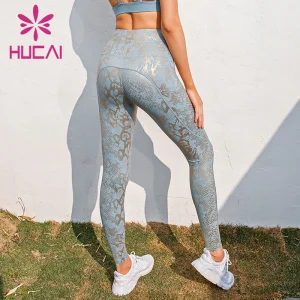
Custom Chittagong Gym Fitness Women's Yoga Bottoms
View Details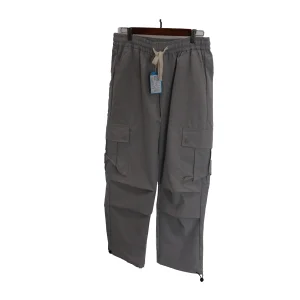
Soft Knit Relaxed Fit Men's Bottoms (Chittagong Export Class)
View Details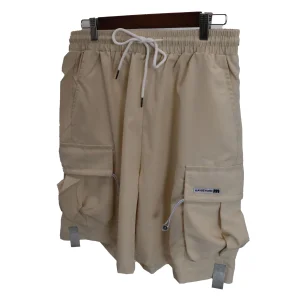
High-Performance Chittagong Fashionable Sports Wear Bottoms for Women
View Details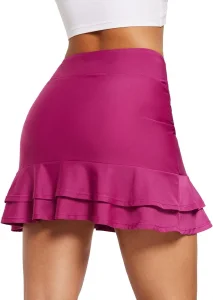
Chittagong OEM High Waisted Adjustable Drawstring Swim Skirt Bottoms
View Details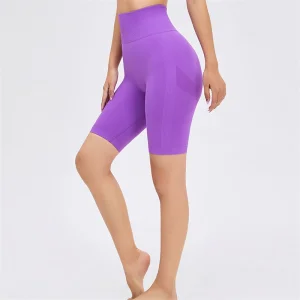
Chittagong Factory High Waist Elastic Gym Low MOQ Leggings
View Details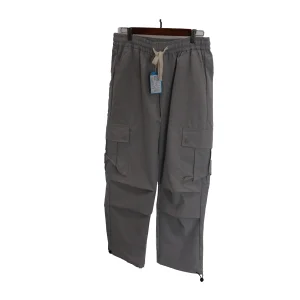
Chittagong-Tailored Soft Knit Men's Bottoms for Fashionable Look
View Details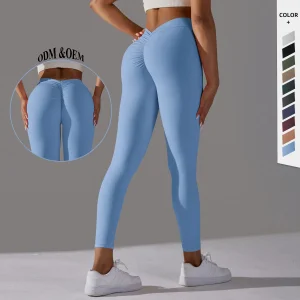
Wholesale Chittagong Women High Waist Peach Hip Lift Gym Yoga Bottoms
View Details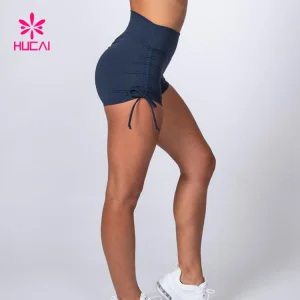
Chittagong Port OEM High Rise Women Fitness Bottoms
View Details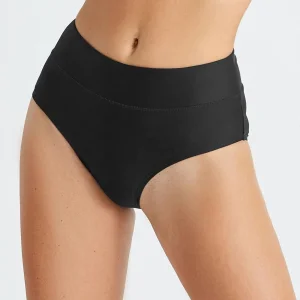
Chittagong-Sourced Modest Bikini Bottoms High Waisted Swim Bottoms
View Details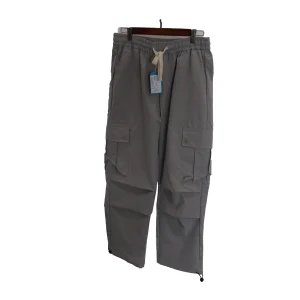
Premium Chittagong Export Leisure Bottoms (Comfort and Fashion)
View Details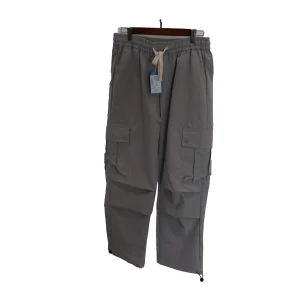
Everyday Comfort Fashionable Leisure Bottoms: Chittagong Factory Direct
View Details4. Innovation Roadmap: Automation, Sustainability, and the Future
As consumer expectations trend towards hyper-customization, eco-sourcing, and fast-fashion cycle times, factories in Chittagong are adopting 3D rendering (such as CLO 3D or Browzwear) to create virtual samples. Virtual prototyping saves up to 75% of design lifecycle time, reducing textile waste and shipping costs for physical samples back and forth between headquarters and manufacturing locations.
Regarding physical fabrication, the adoption of automated CNC laser cutters has drastically increased dimensional accuracy across spandex activewear. For elastic stretch joints, computer-controlled multi-needle lockstitch machines guarantee uniform tension, ensuring that leggings do not deform or snap under high strain. Water treatment plants (WTP) and zero liquid discharge (ZLD) practices are also being rolled out widely to preserve local river ecology, aligning with global climate targets.
Future Sourcing Outlook: Why Chittagong is the Preferred Global Vector
For global retail giants (e.g., in the EU and US), navigating import tariffs and duties is crucial. Bangladesh’s status as a Least Developed Country (LDC) has historically granted it Duty-Free Quota-Free (DFQF) access to major markets. Even as the nation graduates to developing status, the established infrastructure in Chittagong, its port capacity upgrades (like the Bay Terminal project), and the integration of automated processes will ensure its competitive edge for the foreseeable future.